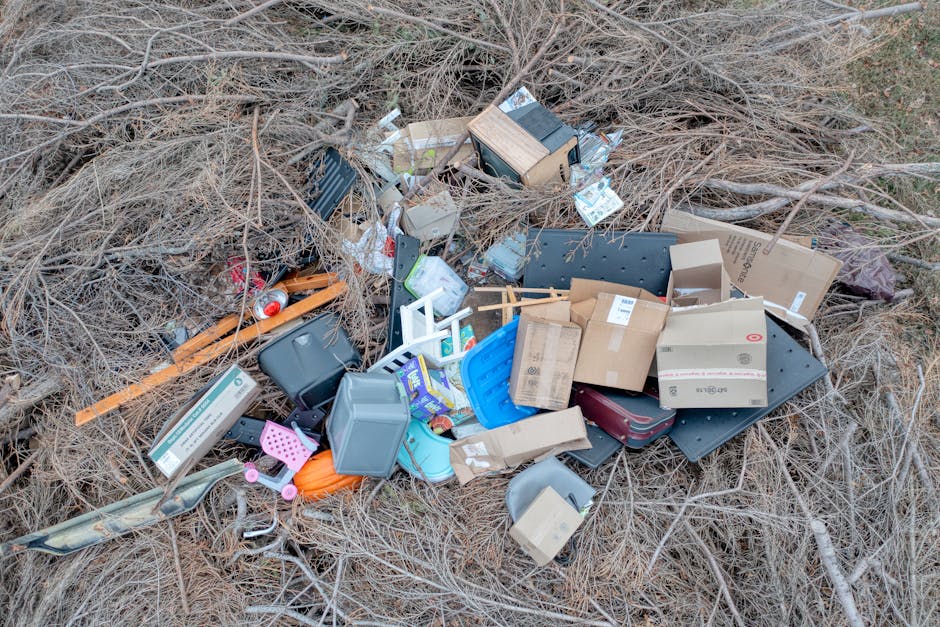
Snaresbrook home rubbish collection and bulky waste help: a practical guide for busy households
If your home in Snaresbrook is filling up with old furniture, broken appliances, bagged-up clutter, or one awkward bulky item that nobody wants to move, you are not alone. Snaresbrook home rubbish collection and bulky waste help is really about making that job easier, safer, and less stressful. It sounds simple, but in real life it often means navigating tight hallways, stairwells, parking, heavy lifting, and the question everyone asks at some point: "What actually happens to all this stuff?"
This guide walks through the whole process in plain English. You will see what the service covers, when it makes sense, how to prepare, what mistakes to avoid, and how to choose a sensible route for your property. We will also look at recycling, compliance, and a few practical comparisons so you can make a decision without faffing about for hours.
Why Snaresbrook home rubbish collection and bulky waste help Matters
Household rubbish has a habit of growing quietly. One old mattress becomes a pile of boxes, then a broken chest of drawers, then a fridge that has been sitting in the corner for too long. In a place like Snaresbrook, where many homes are busy, lived-in, and not exactly designed for moving oversized furniture every weekend, bulky waste help can save a lot of time and a few sore backs.
It matters for practical reasons first. Large items are awkward to carry, can scratch walls and floors, and may need two people or more. Then there is the simple inconvenience of getting rid of them. Not every item can go out with ordinary household rubbish, and some items need special handling. If you have ever tried to angle a sofa through a narrow doorway while muttering under your breath, you will know the feeling.
It also matters for household rhythm. A cluttered spare room can become a storage limbo where nothing quite gets done. Once large items are cleared, rooms suddenly feel usable again. That old mattress becomes a guest room bed base. The garage becomes a garage again. Funny how that works.
From a wider perspective, proper collection and disposal help support recycling and safer waste handling. A responsible clearance approach should separate reusable materials where possible, divert recyclable waste, and keep items that need special treatment away from ordinary rubbish streams. That is where good home rubbish collection and bulky waste help earns its keep.
How Snaresbrook home rubbish collection and bulky waste help Works
Most household bulky waste collections follow a straightforward pattern, even if the job itself looks messy from the outside. You identify the items, choose a collection time, and arrange for them to be removed from inside or just outside the property. A good service will also consider access, item type, and how much loading is needed.
In practice, the process often begins with a quick list. You might have a sofa, a mattress, a wardrobe, several black bags, an old appliance, and a few loose bits from the loft. Some services handle mixed loads, while others work best when the items are grouped by type. If you have fragile access or awkward parking, that should be mentioned early. It saves hassle later.
For many homes, the biggest question is whether the job is simple rubbish collection or something closer to a fuller clearance. If the removal involves multiple rooms, packed-out cupboards, or larger quantities from a loft, garage, or whole property, it may be more sensible to look at home clearance support or, for bigger jobs, house clearance. That distinction matters because the right service saves both time and money.
Bulky waste usually includes items like:
- sofas and armchairs
- mattresses and bed frames
- wardrobes, tables, and chairs
- white goods such as fridges, freezers, and washing machines
- broken shelving, cabinets, and storage units
- mixed household clutter that is too large for normal bin collection
Some items need extra caution. For example, electrical goods, liquids, sharp materials, and certain chemicals should be identified before collection. If you are unsure, it is better to ask rather than guess. Truth be told, guessing is how people end up with the wrong item in the wrong pile and a much longer afternoon than planned.
Key Benefits and Practical Advantages
The biggest benefit is obvious: less lifting, less stress, and a cleaner property. But the real value is a bit broader than that.
- Time saved: no repeated trips to a disposal site, no waiting around all day trying to coordinate help from friends.
- Safer handling: heavy or awkward items are moved with proper care, reducing the chance of injury or damage.
- Better space use: once bulky waste is out, rooms can be restored quickly for living, storage, or renovation.
- Cleaner sorting: reusable and recyclable materials can be separated more effectively when someone knows what they are doing.
- Less disruption: one planned collection is usually easier than several improvised attempts with a borrowed car and too little time.
There is also a peace-of-mind benefit that people often forget to mention. When a household clearance is handled properly, you are not left wondering whether the old fridge was moved safely, whether the mattress ended up where it should, or whether the rubble of an old DIY project has been dumped in the wrong place. That certainty is worth a lot when life is already busy.
If your bulk items are part of a larger tidy-up, you may also find related services useful, such as furniture disposal, fridge and appliance removal, or mattress and sofa disposal. Using the right service for the right item tends to keep the whole job smoother.
Who This Is For and When It Makes Sense
Snaresbrook home rubbish collection and bulky waste help is useful for more people than you might expect. It is not just for major clear-outs or renovation projects. Often, it is the "we need this gone by the end of the week" kind of situation.
This service makes sense if you are:
- clearing out a spare room, loft, garage, or understairs cupboard
- replacing furniture and need the old pieces removed
- moving house and want to travel lighter
- handling a tenancy end and need the property left tidy
- dealing with a one-off bulky item that cannot be handled through normal bin routines
- managing family support for an older relative and need a respectful, efficient clearance
It also suits landlords, homeowners preparing for sale, and busy households where time is tight. A lot of people in London want a fast, neat solution rather than a drawn-out sequence of "maybe I'll sort that next Saturday." We have all said that. Then next Saturday disappears.
For bigger or more mixed jobs, it may be worth considering flat clearance, garage clearance, or loft clearance. Those options are especially helpful when the bulky waste is only part of the wider picture.
Step-by-Step Guidance
Here is the simplest way to approach a household bulky waste collection without overthinking it.
- List everything you want removed. Walk through each room and be specific. "Old stuff" is not very helpful. "Two-seater sofa, broken bedside table, mattress, and five black bags" is much better.
- Separate regular rubbish from special items. Keep an eye out for electricals, sharp materials, liquids, or items that need extra care.
- Check access. Note stairs, narrow hallways, parking restrictions, and whether the items are upstairs or in a loft. These details matter more than people think.
- Decide what should stay. This sounds obvious, but in a quick tidy-up it is easy to throw useful things into the removal pile by accident.
- Ask for a clear quote or explanation. Make sure you understand what is included, especially if lifting from inside the property is required.
- Prepare the area. Clear a path to the items, protect delicate flooring if needed, and keep pets or children out of the way.
- On the day, do a final walk-through. Check cupboards, under beds, and behind doors. People forget things in the weirdest places. Shoes, tools, a lamp, a phone charger. It happens.
If you are organising the job as part of a wider clear-out, a full waste removal service may be more efficient than splitting everything into smaller jobs. Likewise, if the property has multiple types of unwanted material, it is worth checking whether a broader house clearance approach is the better fit.
Expert Tips for Better Results
In our experience, a smooth collection is usually decided before the vehicle even arrives. A few small choices make a big difference.
Tip one: group items by type where possible. Keep sofas together, keep mattresses together, and put small loose items in bags or boxes. That helps the load run faster and can reduce confusion on the day.
Tip two: take photos if the load is awkward. You do not need a full photo essay. Just a few clear images can help confirm item size, access, and how much work is involved.
Tip three: think about the route out of the property. Sometimes the issue is not the item itself, but the turn at the bottom of the stairs or the tight corner by the front door. One narrow landing can turn a simple collection into a careful two-person move.
Tip four: be realistic about what you can move safely yourself. A small chair? Fine. A heavy wardrobe from a loft on a hot afternoon? That is a different story. Let's not pretend it is a casual carry.
Tip five: ask about sorting and recycling. A responsible service should make it clear how mixed waste, reusable items, and materials for recycling are handled. You can also look at the company's recycling and sustainability approach if you want to understand that side more fully.
And one small, practical habit: label anything you definitely want to keep. A marker pen and a sticky note can save you from a very annoying mistake. Not glamorous, but effective.
Common Mistakes to Avoid
Most collection problems are avoidable. The hard part is that they often feel minor until they create delays.
- Leaving items unlisted: a forgotten box in the shed can change the size of the job and cause awkward surprises.
- Ignoring access issues: tight stairs, no parking, or a blocked hallway can slow everything down.
- Mixing prohibited items in with general waste: some materials need separate handling, so do not assume every item can go together.
- Trying to move too much yourself: injuries happen quickly when people try to "just shift it" without the right help.
- Assuming every bulky item is the same: a sofa, fridge, and broken wardrobe may each require a different handling approach.
- Waiting until the last minute: if you need the property cleared for a move, sale, or repair, late booking can add avoidable pressure.
Another common slip is forgetting about the hidden stuff. People focus on the large centrepiece items and overlook side clutter, loose screws, old cables, or a pile of packaging. Then the room still feels half-finished afterwards. Annoying, yes, but easy to fix if you plan ahead.
Tools, Resources and Recommendations
You do not need much equipment to prepare for bulky waste collection, but a few basic tools can make the process easier:
- heavy-duty bags for small mixed rubbish
- labels or tape for items you want to keep
- gloves for sorting sharp or dusty materials
- a torch for lofts, cupboards, and darker corners
- protective coverings for flooring or door frames if items are being carried through tight spaces
If you are dealing with a larger set of mixed household items, it may be worth checking related services such as furniture clearance, home clearance, or garage clearance. Those can be more suitable when the job has drifted beyond one or two bulky pieces.
For households with appliance-heavy waste, fridge and appliance removal is useful to review separately, especially where weight, access, or electrical components are part of the issue. If the problem item is a mattress or sofa, it helps to look at the disposal route for that item specifically rather than treating it as generic rubbish.
One practical recommendation: keep a running "clear out" note on your phone for a few days before booking. It sounds tiny, but it helps stop the classic end-of-week memory gap. You know the one.
Law, Compliance, Standards, or Best Practice
For most households, the main thing is not to overcomplicate compliance. The useful rule of thumb is simple: waste should be handled safely, transferred appropriately, and taken to a legitimate disposal or recycling route. If an item is hazardous or unusual, it should be identified clearly before collection.
In the UK, householders should be careful not to hand waste to anyone who cannot properly explain how it will be handled. That includes checking basic professionalism, insurance, and safe working practice. You do not need a lecture on legislation to know whether something feels above board. Usually, if the explanation is vague, that is your cue to ask more questions.
Good practice usually includes:
- clear item identification before collection
- safe lifting and loading methods
- separation of reusable or recyclable materials where feasible
- proper handling for electrical, sharp, or potentially hazardous waste
- respect for the property, access routes, and surrounding area
If you want reassurance on company standards, it is sensible to review pages such as insurance and safety and health and safety policy. Those pages can help you understand how a provider thinks about risk, access, and site protection.
For confidential or sensitive household papers that should not go in a general waste load, confidential shredding may be the safer route. That is a small point, but an important one for anyone sorting through old files during a home clean-up.
Options, Methods, or Comparison Table
There is more than one way to get bulky household waste sorted. The right choice depends on time, item size, access, and how much else is in the way.
| Option | Best for | Pros | Watch out for |
|---|---|---|---|
| DIY trips to a disposal site | Small loads, flexible schedules, capable lifting | Potentially lower direct cost, full control over timing | Time, fuel, loading effort, vehicle size, multiple trips |
| Kerbside bulky collection | Single items or limited waste | Simple for straightforward loads | Collection rules, waiting times, item restrictions, no indoor lifting |
| Professional home rubbish collection | Mixed bulky items, awkward access, faster turnaround | Less lifting, more convenience, one visit can clear a lot | Need for accurate description of the load and access |
| Full clearance service | Whole rooms, garages, lofts, or end-of-tenancy clear-outs | Best for bigger or multi-room jobs | May be more than you need for a single item |
If you are trying to decide between a clearance and a container-based approach, it can also help to review what can go in a skip. Not every household job is right for a skip, especially where access is tight or the load is mixed and scattered.
For domestic jobs with a bit of everything, a one-off visit is often the least painful option. For larger renovations, or when you are dealing with building debris as well as household clutter, a different route may be more efficient. In those cases, builders waste clearance can be the more relevant service.
Case Study or Real-World Example
Here is a realistic example. A Snaresbrook household has been slowly replacing furniture over several months. First, a sofa goes. Then a wardrobe collapses in the spare room. A mattress is rolled into the hall "temporarily" and stays there. A fridge in the kitchen finally gives up. By Friday evening, the property feels cluttered and slightly on edge, the way homes do when several old items are waiting to be dealt with.
The family makes a list, checks which items can be grouped together, and notes that the loft is awkward and the front path is narrow. They separate a few bags of smaller rubbish, move valuables and paperwork into another room, and clear a route from the back of the house to the front. That simple prep makes the collection much smoother.
On the day, the bulky items are removed in one visit, the awkward lift from the front room is handled with care, and the household gets the room back the same afternoon. Nothing dramatic. Just a very ordinary, very welcome bit of order restored.
That is often the real point of Snaresbrook home rubbish collection and bulky waste help. Not drama. Just relief.
Practical Checklist
Use this quick checklist before booking or on the morning of collection:
- Have I listed every item that needs removing?
- Have I separated items I want to keep?
- Do any items need special handling, such as electricals or sharp materials?
- Is the route to the items clear?
- Have I thought about parking and access?
- Are fragile surfaces or tight corners protected?
- Have I checked for anything hidden in cupboards, lofts, or under beds?
- Do I understand what is included in the service?
- Have I kept pets and children away from the work area?
- Have I asked about recycling or reuse where relevant?
Expert summary: the best bulky waste collection is the one that is planned clearly, matched to the right service, and prepared with just enough care to avoid delays. That sounds almost too simple, but honestly, it is usually the difference between a smooth day and a muddle.
Conclusion
Snaresbrook home rubbish collection and bulky waste help is about more than getting old items off the floor. It is about making your home easier to live in, reducing strain, and handling waste in a cleaner, more sensible way. Whether you are clearing one sofa or several rooms' worth of clutter, the right approach is usually the one that combines good planning, honest item descriptions, and practical support.
Take your time to choose the right level of service, be clear about access and item types, and keep an eye on safety and recycling. Do that, and the whole process becomes much less stressful than it first looks. And once the clutter is gone, the room feels bigger straight away. A bit calmer too.
If you are ready to arrange a collection, review the available service details, check the relevant support pages, and plan your next step with confidence. A tidy home has a way of changing the mood of the whole day.
Get a free quote today and see how much you can save.
Frequently Asked Questions
What counts as bulky waste in a home collection?
Bulky waste usually means household items that are too large, heavy, or awkward for normal bin collection. Sofas, mattresses, wardrobes, tables, and many appliances are common examples.
Can I include mixed household rubbish with bulky items?
Often yes, but it depends on the service and the type of waste. Small bags of rubbish are commonly collected with larger items, provided anything restricted is separated out first.
Is it better to choose a home clearance or a bulky waste collection?
If you only have a few large items, bulky waste help may be enough. If you are clearing several rooms, a loft, or a garage, a broader home clearance may be more efficient.
Do I need to move everything outside before collection?
Not always. Many services can remove items from inside the property, but access details should be confirmed in advance. That is especially important for upstairs rooms or tight staircases.
What should I do with old fridges or freezers?
Fridges and freezers need careful handling because they are heavy and often awkward to move. They are usually best arranged through a specific appliance removal service rather than treated as generic rubbish.
Can old sofas and mattresses be collected together?
Yes, they often can. If you are disposing of both, it may be worth using a service that deals with mattresses and sofa disposal so the items are handled appropriately.
How do I prepare for a collection in a flat or maisonette?
Clear the access route, check stair width and parking arrangements, and make sure the items are grouped neatly. For upper-floor properties, access details matter more than most people realise.
What if some of my items are damaged or broken beyond repair?
That is usually fine, but you should mention it when arranging the collection. Broken items can have sharp edges, loose parts, or unstable frames, so they need to be handled carefully.
Is recycling included in bulky waste collection?
It should be considered wherever possible, but the exact process depends on the item mix. Responsible services will aim to separate recyclable materials and direct waste to the right route.
How far in advance should I book?
If you have a deadline, such as a move-out or renovation start date, book as early as you can. For smaller jobs, a quicker turnaround may still be possible, but last-minute arrangements are always a bit tighter.
What happens if I forget to mention an extra item?
It depends on the size of the item and the agreed service. A small extra bag may be manageable, but a forgotten wardrobe or appliance could change the job, so it is best to be thorough at the start.
Can I get help with just one awkward item?
Yes. A single heavy or bulky item can be exactly the kind of job where collection help is worthwhile, especially if it is hard to move safely on your own.